Our Culture

Nigeria’s cultural heritage is deep and varied. Archaeological finds such as Nok terracotta and the bronzes and ceramics of Igbo-Ukwu point to artistic civilizations that go back many centuries. Today the country is home to more than 250 ethnic groups, languages, and dialects. Among the largest linguistic communities are the Hausa, Igbo, and Yoruba, alongside many others including Fulani and Efik communities.
Courtesy and hospitality
Greetings matter in Nigerian social life. Politeness and warmth are valued, and children are taught early to greet elders. When visitors arrive, it is common for parents to call children forward to welcome them. English greetings such as “hello” and “good morning” are widely used. Guests may arrive without long notice and still be received warmly.
Dress
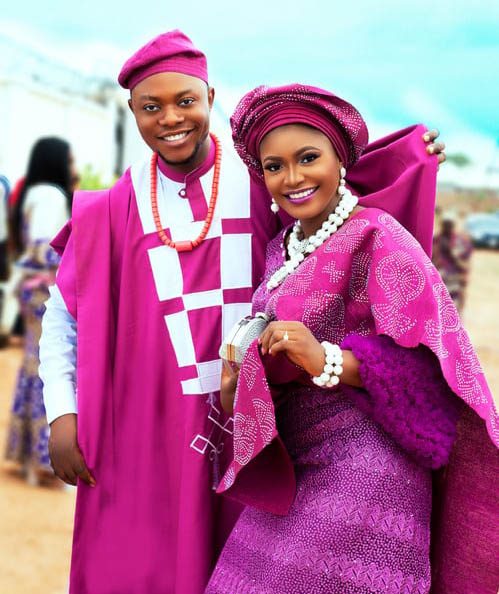
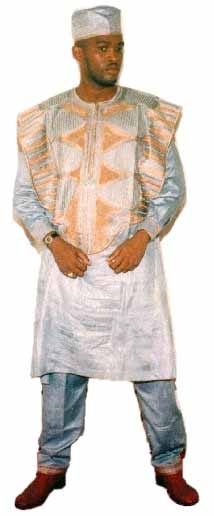
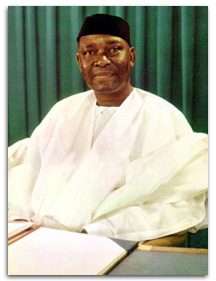
Styles vary by region and community, and personal appearance is taken seriously. Many people wear traditional clothing in daily life as well as for ceremonies. Men’s traditional dress is often loose and comfortable, with tunics that can extend toward the knees. Among Yoruba men, the agbada (a flowing robe worn over trousers, often with embroidery) is a familiar formal style.
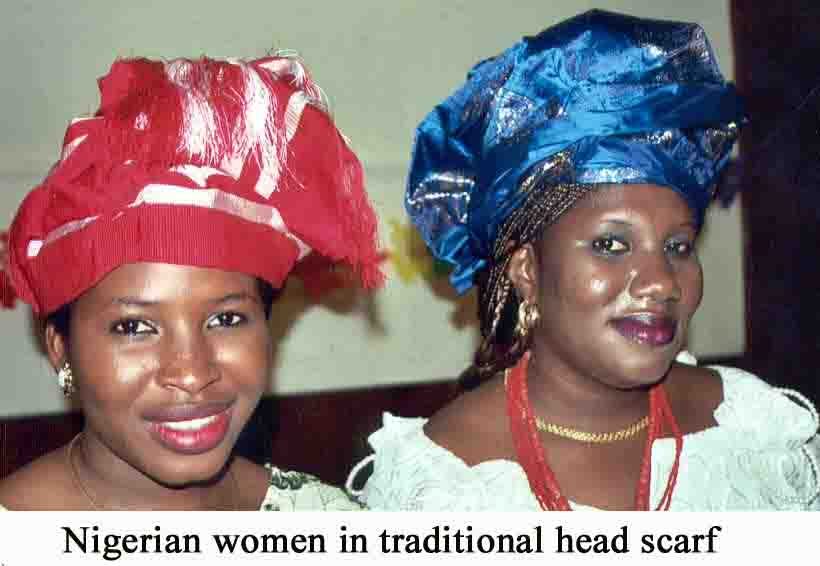
Women’s traditional dress commonly includes a blouse, a long wrapper around the waist that falls to the ankles, and a headscarf. Fabrics are frequently bright, with distinctive patterns that differ by region and occasion.
Faith and identity
Christianity and Islam are widely practised across the country, alongside traditional African belief systems. Many Nigerians hold ethnicity and faith as important parts of personal identity, together with national belonging.
Gestures and everyday manners
Gestures do not always carry the same meaning as elsewhere. In some communities, a thumbs-up or an open hand thrust toward someone’s face can be taken as rude. It is generally considered proper to hand objects with the right hand or with both hands, rather than with the left alone.
Arts and performance
Nigeria’s museums, theatres, and festivals present a wide range of visual art, music, drama, dance, oral tradition, and fashion. Nigerian artists and performers have also shared this heritage abroad. The National Performing Troupe, established in 1986, is one example of efforts to present Nigerian culture on national and international stages.